



Introduction
The gaming industry has evolved significantly over the years, introducing new technologies, competitive experiences, and communities that bring players together. Modern gamers are no longer interested only in playing games; they also want to understand how games work, discover hidden features, improve their performance, and explore interesting information about their favourite titles. This growing curiosity has made gaming statistics and informational platforms increasingly valuable. HearthStats is a name associated with gaming statistics, particularly the history of tracking performance in Hearthstone, a popular digital card game. Exploring hearthstats interesting facts offers an opportunity to understand how gaming data, player behaviour, strategy, and community knowledge connect. From analysing match results to learning about card combinations, there are many interesting aspects of gaming that can make the overall experience more enjoyable and educational.
1. Understanding the History of HearthStats
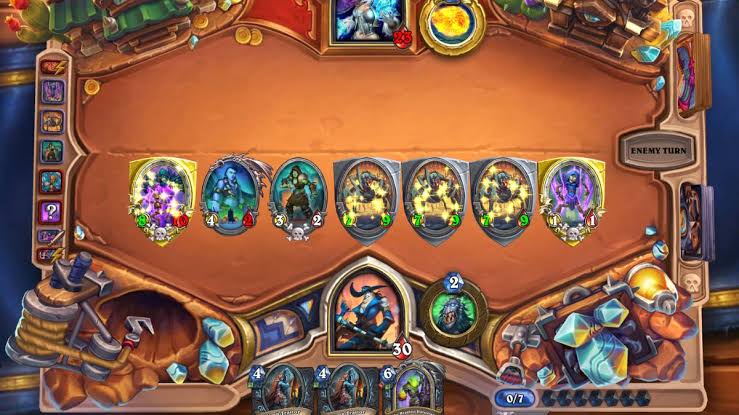
One interesting aspect of HearthStats is its connection with the development of gaming statistics. In the early years of digital card games, players often depended on personal experience and memory to understand their performance. They could remember their favourite decks, successful strategies, and difficult opponents, but keeping accurate records over hundreds of matches was challenging. This created an opportunity for community-developed tracking tools that could organise gameplay information in a more useful way. The original HearthStats concept became associated with tracking Hearthstone matches and helping players understand their results. It represented an important stage in the development of gaming analytics, where ordinary players started using recorded information to make better decisions instead of relying entirely on assumptions.
2. Gaming Statistics Can Reveal Hidden Patterns
Gaming statistics are more valuable than many beginners realise. A player might believe that a particular deck is powerful because it produces several consecutive victories. However, a larger collection of match results may reveal a completely different pattern. Statistics can help identify which strategies work consistently and which ones perform well only in certain situations. For example, a player may discover that a deck performs successfully against aggressive opponents but struggles against defensive strategies. These observations provide opportunities to make more informed decisions. One of the most useful hearthstats interesting facts is that match records can transform individual gaming experiences into information that players can examine, compare, and learn from over time.
3. Hearthstone Combines Strategy and Luck
Hearthstone is an interesting example of a digital card game because it combines strategic thinking with elements of randomness. Players build decks, select cards, manage resources, and make decisions throughout their matches. However, the cards drawn during a particular game can influence the available options. This means that even a well-prepared player may experience unexpected outcomes. Understanding this combination is important because one victory or defeat does not necessarily demonstrate the actual strength of a deck. Experienced players generally evaluate performance across multiple matches rather than judging their abilities from individual results. This balance between planning and uncertainty is one reason why card games remain engaging for casual players and competitive gaming enthusiasts.
4. Win Rates Tell an Interesting Story
Win rates are among the most commonly discussed statistics in competitive gaming. They provide a simple way to understand how frequently a player wins compared with the number of matches completed. For example, if someone wins 60 matches out of 100, the overall win rate is 60 percent. Although this calculation is straightforward, interpreting the result requires additional information. The deck being used, opponent difficulty, game mode, player experience, and number of recorded matches can all influence the final percentage. A high win rate across ten matches may not remain the same after several hundred games. Therefore, players should consider the size and quality of their available data before making conclusions about their performance.
5. Deck Building Requires Careful Observation
Deck building is one of the most enjoyable parts of collectible card games. Players experiment with different combinations, explore card abilities, and develop strategies that match their preferred playing styles. However, creating a strong deck involves more than selecting individually powerful cards. Every card should contribute something useful to the overall strategy. Some cards provide early-game advantages, while others become more valuable during longer matches. Certain combinations can also create powerful opportunities when played together. By examining match results, players can identify cards that consistently support their strategies and recognise combinations that rarely produce useful outcomes. This process encourages experimentation and makes deck building an ongoing learning experience rather than a one-time activity.
6. Gaming Communities Make Learning Easier
Online gaming communities are another fascinating part of modern gaming culture. Players from different countries and backgrounds can discuss strategies, share experiences, and exchange information about their favourite games. These discussions can help beginners understand complicated mechanics and allow experienced players to discover alternative approaches. Community participation also creates opportunities for constructive conversations about game updates, competitive performance, and changing strategies. A player who struggles with a particular matchup may receive suggestions from someone who has already encountered the same challenge. These shared experiences demonstrate that gaming is not always an individual activity. It can also become a collaborative environment where knowledge and creativity develop through communication.
7. Historical Game Statistics Can Be Valuable
Another interesting area of gaming analytics is the preservation of historical information. Older match records can help players understand how strategies have changed over time. Card games frequently receive new expansions, balance adjustments, and gameplay improvements. These changes can influence the usefulness of particular cards and the popularity of different deck combinations. A strategy that worked effectively several years ago may no longer be competitive under newer game conditions. Historical records provide useful context for understanding these developments. However, older statistics should always be considered alongside their original dates and game versions. Comparing results from different periods without considering updates can produce misleading conclusions about the current competitive environment.
8. Small Details Can Influence Gaming Performance
Gaming performance often depends on small decisions that players may overlook during ordinary matches. Managing available resources, understanding card interactions, predicting possible opponent moves, and choosing the correct moment to use special abilities can influence the final outcome. A player may have an excellent deck but still struggle because of poor decision-making. Similarly, a relatively simple deck can perform effectively when its user understands its strengths and limitations. Reviewing gameplay experiences can help identify repeated mistakes and encourage better habits. These lessons are useful beyond digital card games because many competitive titles reward observation, patience, planning, and the ability to adapt when circumstances change.
9. Gaming Analytics Encourages Better Decision-Making
One of the most practical benefits of gaming analytics is its ability to support evidence-based decisions. Instead of changing an entire strategy after a disappointing match, players can examine the available information and identify specific weaknesses. For example, a player might notice that a particular card combination is rarely useful or that certain matchups consistently create difficulties. Making smaller adjustments can help determine which changes actually improve performance. This approach also prevents unnecessary experimentation based on temporary emotions. Hearthstats interesting facts highlight the broader importance of understanding performance through organised information. The same principle applies to many competitive activities, including online multiplayer games, esports competitions, and strategy-based challenges.
10. Technology Has Changed the Gaming Experience
Technology continues to influence how people discover, play, and understand digital games. Faster internet connections, improved processors, modern graphics, cloud services, and advanced software have created more accessible gaming experiences. Players can now enjoy games across computers, smartphones, tablets, and dedicated gaming devices. Technology has also improved the availability of analytical tools that help users understand gameplay patterns. Modern applications can offer detailed reports, match histories, and performance summaries, depending on the game and platform. These developments show how gaming has moved beyond simple entertainment. It has become an interactive digital environment where technology, creativity, competition, and community participation work together.
11. Casual Players Can Benefit from Statistics Too
Gaming analytics is not limited to professional competitors. Casual players can also benefit from understanding their gameplay habits. Someone who plays for relaxation may want to discover which game modes they enjoy most or which strategies make their experience more successful. Tracking progress can provide motivation without turning every match into a serious competition. It can also help players recognise improvements that might otherwise go unnoticed. For example, someone learning a new card game may initially struggle with resource management but gradually become more confident after practising. Keeping simple records of progress can make this development easier to recognise and encourage continued learning.
12. Accuracy Is Important When Reading Gaming Facts
The internet contains a large amount of gaming information, but not every statistic published online is accurate. Some websites repeat numbers without identifying their original sources, while others present historical information as if it describes current activity. Readers should be careful when evaluating claims about platform popularity, registered users, match totals, or competitive records. It is helpful to distinguish between information about the original HearthStats tracking concept, facts about Hearthstone itself, and details about other gaming websites. These are different subjects and should not be treated as interchangeable. Reliable information should include appropriate context, dates, and evidence whenever numerical claims are involved.
How to Make Gaming More Interesting Through Statistics

Players do not need complicated analytical knowledge to benefit from gaming information. A few simple habits can make their gaming experience more organised and enjoyable. Recording match results, reviewing successful strategies, and paying attention to repeated mistakes are useful starting points. Players can also explore gaming communities to learn about new approaches and discuss their experiences with others.
The following habits can make a difference:
- Record match results: Maintain a basic history of victories and defeats.
- Review deck performance: Identify which combinations work best.
- Study difficult matchups: Understand why certain opponents create challenges.
- Explore game updates: Learn how changes affect established strategies.
- Share knowledge: Exchange useful ideas with other gaming enthusiasts.
These activities encourage players to become more observant and thoughtful. They also demonstrate that improving at a game does not always require expensive equipment or advanced software. Consistency, curiosity, and a willingness to learn can be equally valuable.
The Future of Gaming Statistics and Digital Communities
The future of gaming analytics is likely to involve increasingly sophisticated tools and more accessible information. Artificial intelligence, automated data collection, and improved reporting systems are already influencing how players approach competitive gaming. These technologies may help identify gameplay patterns, compare strategies, and provide personalised suggestions. However, technology should support human decision-making rather than replace creativity and independent thinking. Gaming communities will also remain important because players enjoy learning from one another and discussing shared experiences. As gaming continues to develop, statistics and community knowledge will provide useful ways to understand performance, explore new opportunities, and appreciate the complexity of digital entertainment.
Conclusion
Gaming is much more than winning and losing matches. It involves creativity, strategy, technology, learning, and interaction with other players. Exploring hearthstats interesting facts helps readers understand why match tracking, performance analysis, and gaming communities have become meaningful parts of the digital gaming experience. From understanding win rates and improving deck combinations to recognising historical developments, statistics can provide valuable insights for players at different experience levels. The most important lesson is to approach gaming information with curiosity while checking the accuracy of numerical claims. Whether someone enjoys casual card games or competitive challenges, learning from experience and making thoughtful decisions can make every gaming session more rewarding.