



Introduction
The gaming industry has experienced remarkable growth over the past decade, transforming from a simple entertainment activity into a competitive digital environment. Millions of players now participate in online games, explore different strategies, and search for reliable information to improve their gaming experiences. With this increasing interest, gaming statistics and performance analysis have become important tools for understanding how games work and how players can achieve better results. The concept of home hearthstats fits into this broader interest in gaming knowledge, strategic thinking, and performance evaluation. Whether someone is a beginner learning the basics or an experienced player exploring advanced techniques, understanding gaming information can make the overall experience more rewarding. Modern gamers are no longer satisfied with simply playing matches. They want to understand their decisions, evaluate their progress, and discover opportunities for improvement. This growing demand for useful gaming insights highlights the importance of statistics, strategic analysis, and informed decision-making.
Understanding the Importance of Gaming Statistics

Gaming statistics play an essential role in helping players understand their strengths, weaknesses, and overall performance. In competitive games, every decision can influence the final result, making performance information valuable for developing effective strategies. Statistics may include winning percentages, match history, character performance, card usage, and other important indicators depending on the type of game. By reviewing this information, players can identify patterns that might otherwise remain unnoticed. For example, someone who frequently loses against a particular strategy can study previous matches and discover which decisions contributed to those defeats. Gaming statistics also help players measure their progress over time rather than relying entirely on personal impressions. However, numbers become useful only when interpreted within the correct context. A high winning percentage across a small number of matches may not indicate consistent performance. Understanding this distinction allows gamers to make smarter decisions and develop a more balanced approach to competitive gaming.
How Home Hearthstats Relates to Better Gaming Knowledge
The growing interest in home hearthstats reflects the importance of accessible gaming information for players who want to understand competitive environments more effectively. Gaming knowledge involves more than memorizing rules or following popular strategies. It requires understanding how different gameplay elements interact, recognizing changing trends, and evaluating the effectiveness of individual decisions. Players who develop these skills are often better prepared to handle unfamiliar situations during matches. For example, understanding the relationship between resource management and long-term strategy can help someone make stronger decisions during critical moments. Gaming knowledge also encourages experimentation because players can compare different approaches and learn from their outcomes. Rather than depending entirely on recommendations from other gamers, individuals can gradually develop their own understanding through practice and analysis. This process supports independent thinking, improves confidence, and creates a more engaging gaming experience. Reliable information becomes especially valuable when games introduce new mechanics, competitive formats, or balance adjustments.
The Evolution of Strategy-Based Digital Games
Strategy-based digital games have evolved significantly as technology has improved and online communities have expanded. Earlier games often relied on relatively simple mechanics, while modern competitive titles frequently involve complex systems that reward planning, adaptability, and careful decision-making. Digital card games provide an interesting example because players must consider resource availability, card combinations, timing, and possible opponent responses. Each match creates different circumstances, meaning that successful strategies cannot always be repeated without adjustment. Developers also introduce updates that can change the effectiveness of particular approaches. As a result, players must continuously learn and adapt to remain competitive. This evolution has encouraged the growth of educational gaming content, community discussions, and performance analysis. Strategy-focused games now attract people who enjoy problem-solving as much as entertainment. The combination of creativity, competition, and analytical thinking makes these games appealing to a broad audience, including casual players and those interested in organized competitive events.
Why Players Need Reliable Gaming Information
Reliable gaming information helps players avoid confusion and make decisions based on evidence rather than unsupported assumptions. Online gaming communities contain enormous amounts of advice, but not every recommendation applies equally to every player or situation. Some strategies work effectively at advanced competitive levels but may be difficult for beginners to understand or execute. Other recommendations become outdated when developers introduce balance changes or modify gameplay mechanics. Players therefore benefit from checking when information was published, understanding the conditions behind performance statistics, and comparing multiple perspectives. Accurate information also helps distinguish between temporary trends and strategies that remain consistently effective. For example, a newly popular deck may attract attention because of a successful tournament performance, but its effectiveness across ordinary ranked matches could be different. Learning to evaluate information critically improves decision-making and reduces unnecessary frustration. A thoughtful approach to gaming knowledge supports steady improvement while helping players maintain realistic expectations about their performance.
Exploring Performance Analysis With Home Hearthstats
Performance analysis is one of the most valuable concepts associated with home hearthstats because it encourages players to examine gameplay beyond individual victories and defeats. Winning a match does not necessarily mean every decision was correct, just as losing does not automatically indicate poor strategy. Effective analysis involves examining the circumstances surrounding important moments and identifying alternative choices that might have produced different results. Players can review opening decisions, resource usage, tactical adjustments, and responses to unexpected situations. Over time, these observations reveal recurring habits that influence performance. Someone might discover that they frequently use important resources too early or fail to prepare for an opponent’s likely actions. Recognizing these patterns provides a foundation for targeted improvement. Performance analysis also helps players establish achievable goals, such as improving consistency with a particular strategy or reducing common mistakes. This structured learning process can make gaming more satisfying because progress becomes easier to recognize and understand.
The Role of Technology in Modern Gaming Platforms
Technology has changed how players interact with games, access information, and evaluate their performance. Modern gaming environments increasingly use sophisticated software systems to record gameplay events, organize statistics, and present information in understandable formats. Data visualization can transform complicated performance records into charts, summaries, and comparisons that are easier to interpret. Cloud infrastructure also supports online multiplayer experiences and enables large gaming communities to interact across different locations. Meanwhile, mobile technology has made gaming information more accessible, allowing players to review strategies and follow competitive developments using smartphones and tablets. Artificial intelligence and machine learning are also being explored in gaming-related applications, including opponent modeling, automated analysis, and personalized recommendations. However, automated insights still require careful interpretation because their usefulness depends on the quality of the underlying information. Technology is most valuable when it supports player understanding rather than replacing independent judgment. These developments continue to expand the possibilities for gaming education and strategic improvement.
Understanding Gaming Trends and Competitive Changes
Competitive gaming environments rarely remain unchanged for long periods. Developers regularly introduce new content, adjust existing mechanics, and respond to balance concerns. These changes can influence which strategies become popular and how players approach different matchups. In card-based competitive games, the term meta commonly describes the strategies and decks that are especially prominent or effective within a particular environment. Understanding the meta helps players anticipate common opponents and prepare suitable responses. However, following popular strategies without understanding their strengths and weaknesses can limit improvement. A successful player considers not only which approaches are widely used but also why they work under current conditions. Regional preferences, player skill levels, and tournament formats can further influence competitive trends. Observing these differences encourages flexible thinking and prevents players from assuming that one strategy is universally superior. Adaptability remains essential because competitive environments can shift quickly after updates or discoveries by experienced community members.
How Home Hearthstats Can Inspire Strategic Improvement
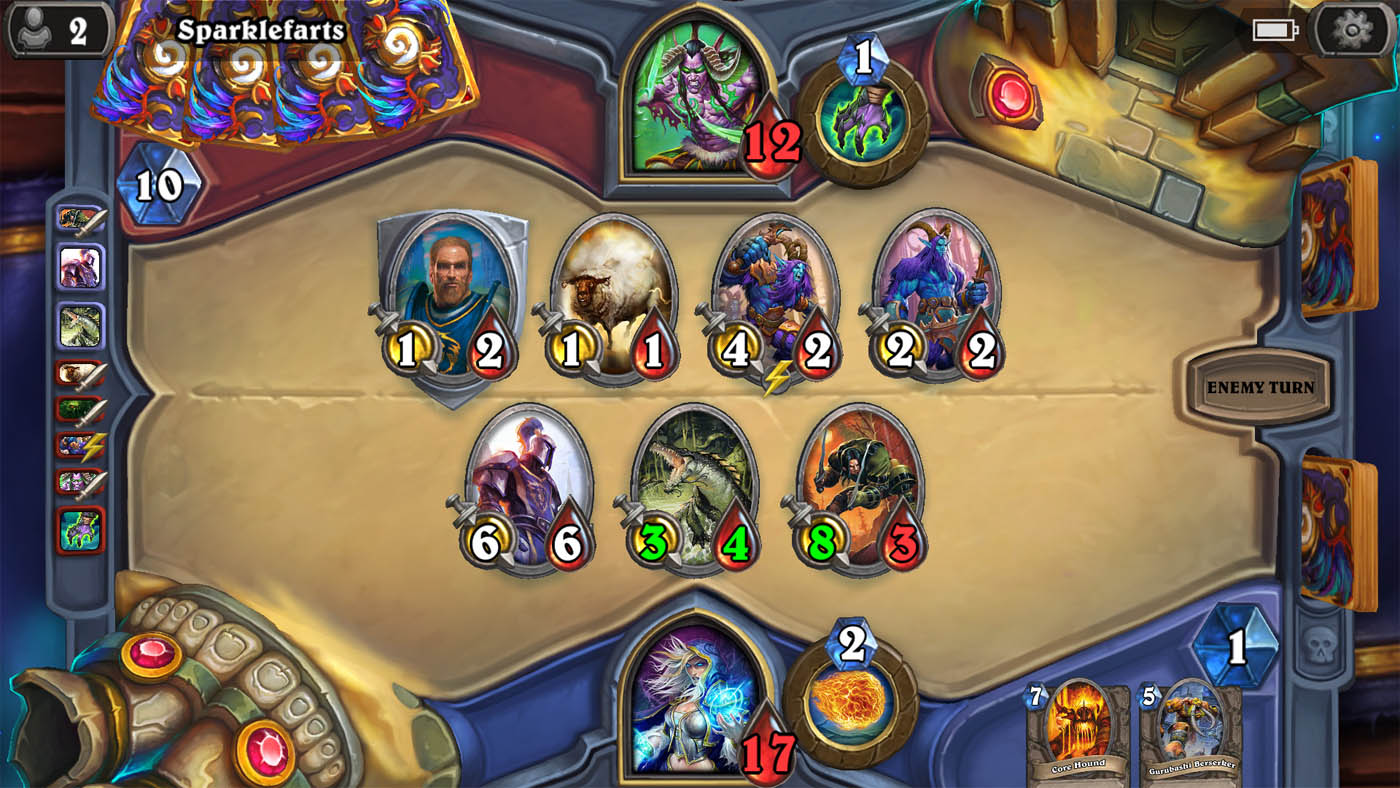
Exploring the ideas surrounding home hearthstats can encourage players to approach gaming improvement through observation, experimentation, and continuous learning. Rather than changing strategies after every defeat, players can investigate whether poor results came from decision-making, unfavorable matchups, or normal variation between games. This distinction is important because even well-designed strategies experience losses. A structured improvement process might involve selecting one gameplay skill, practicing it across several matches, and reviewing the outcomes before making additional adjustments. For example, a player interested in resource management could focus on avoiding unnecessary spending during the early stages of a match. Once that habit improves, attention can shift toward predicting opponent actions or planning more effective finishing strategies. Concentrating on specific skills makes progress easier to measure and reduces the frustration associated with attempting too many changes simultaneously. This approach also encourages patience, which is particularly important in competitive environments where meaningful improvement often develops gradually.
Building a Stronger Gaming Community Through Shared Knowledge
Gaming communities contribute significantly to the development of strategic knowledge and player confidence. Discussion forums, educational videos, community events, and collaborative conversations allow individuals to exchange experiences and explore different approaches to gameplay. Beginners can benefit from explanations provided by experienced players, while advanced competitors can discover unfamiliar strategies through community discussions. Shared knowledge also helps identify common mistakes and clarify complicated mechanics. However, healthy communities depend on respectful communication and a willingness to consider different perspectives. Players may disagree about which strategies are most effective, especially when their experiences involve different competitive levels or game formats. Constructive discussion allows these disagreements to become opportunities for learning rather than sources of unnecessary conflict. Community participation can also make gaming more enjoyable by creating friendships and encouraging collaborative problem-solving. When players share information responsibly and acknowledge uncertainty, the entire community benefits from a more informed and welcoming environment.
Common Challenges When Interpreting Gaming Data
Although gaming statistics provide valuable insights, interpreting them correctly can be challenging. One common mistake involves treating correlation as proof of causation. For example, a strategy associated with a high winning percentage may appear exceptionally powerful, but its results could reflect the skill of the players using it. Sample size creates another important consideration. A strategy that wins eight out of ten matches has an impressive recorded percentage, yet those ten matches provide limited evidence about its long-term effectiveness. Differences in opponents, competitive ranks, and game versions can also affect results. Players should therefore examine the circumstances behind statistical summaries before drawing conclusions. Another challenge involves focusing too heavily on numbers while ignoring gameplay experience. Statistics can identify patterns, but they cannot always explain the reasoning behind individual decisions. Combining quantitative information with thoughtful match reviews produces a more complete understanding and helps prevent misleading interpretations.
Developing Better Gaming Habits for Long-Term Success
Consistent improvement requires more than understanding statistics or discovering effective strategies. Players also benefit from developing habits that support concentration, patience, and responsible gaming. Setting realistic practice goals can make learning more manageable, while taking regular breaks helps prevent fatigue from influencing decisions. Emotional control is particularly important during competitive matches because frustration can lead to rushed choices and repeated mistakes. Players who recognize these reactions can develop routines that encourage more deliberate thinking. Maintaining a healthy balance between gaming and other responsibilities also supports long-term enjoyment. Competitive progress becomes less rewarding when excessive playing time creates unnecessary stress or interferes with everyday activities. Another useful habit involves reviewing a limited number of important decisions after each session instead of attempting to analyze every moment. This focused approach makes learning practical and sustainable. Over time, strong habits contribute to greater consistency, improved strategic awareness, and a healthier relationship with gaming.
The Future of Home Hearthstats and Gaming Analytics
The broader future of home hearthstats is connected to the continuing development of gaming analytics, digital learning tools, and player-focused technology. As gaming environments become more sophisticated, players may increasingly expect information that explains performance in clear and practical ways. Future analytical systems could offer more detailed comparisons between strategies, identify recurring gameplay patterns, and help individuals understand how their decisions change over time. Personalized learning tools may also become more common, providing recommendations based on specific skill levels and preferred gaming styles. Nevertheless, responsible data practices will remain important. Players should understand what information is collected, how it is used, and whether analytical recommendations are supported by reliable evidence. Transparency and privacy protections can help build confidence in gaming-related technology. Ultimately, the most useful developments will be those that combine accessible information with meaningful educational value, allowing players to strengthen their abilities without making the gaming experience unnecessarily complicated.
Conclusion
Modern gaming has become an environment where entertainment, strategic thinking, and digital technology work together to create increasingly engaging experiences. Understanding statistics, recognizing competitive trends, and reviewing gameplay decisions can help players improve their skills while enjoying the learning process. The interest surrounding home hearthstats highlights the broader value of gaming knowledge and performance awareness in today’s digital world. Players who combine reliable information with consistent practice are better equipped to recognize mistakes, experiment with strategies, and adapt to changing competitive conditions. Community participation, responsible gaming habits, and critical evaluation of data further strengthen this approach. As technology continues to influence the gaming industry, analytical tools and educational resources are likely to become even more important. However, successful improvement will always depend on curiosity, patience, and thoughtful decision-making. By focusing on these principles, gamers can build confidence, enjoy meaningful progress, and develop a deeper appreciation for the strategic possibilities of modern digital games.