



Introduction
Online gaming has evolved into a competitive environment where strategy, knowledge, and consistent improvement determine long-term success. Among digital card games, Hearthstone has attracted players who enjoy strategic battles, creative deck building, and challenging opponents. Understanding game mechanics and analyzing performance can help players make better decisions during matches. This is where hearthstats home becomes an interesting topic for gaming enthusiasts seeking information about Hearthstone statistics and performance improvement. The original HearthStats project was known for helping players record matches, examine deck performance, and understand their results. Although the original tracking service is no longer operating in its former form, its approach to gaming analytics remains relevant. Modern players can apply similar principles through available tracking tools and personal records. By studying match results, understanding card combinations, and recognizing common mistakes, gamers can develop stronger strategies. A thoughtful approach to performance analysis transforms ordinary gaming sessions into valuable learning opportunities.
Understanding the Concept of HearthStats in Modern Gaming
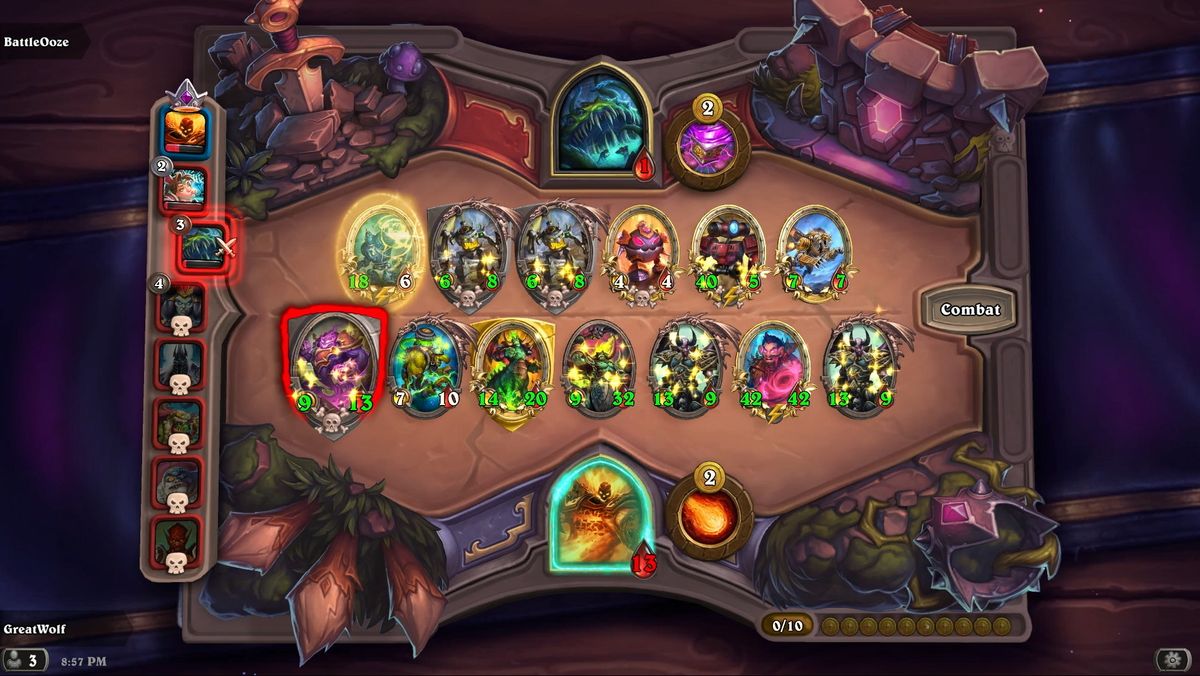
HearthStats originally represented a practical approach to improving Hearthstone gameplay through statistical information. Instead of relying entirely on memory or personal impressions, players could examine recorded matches and evaluate how their decks performed against different opponents. This approach helped turn individual gaming experiences into measurable information. Match histories, win percentages, and deck comparisons offered useful insights into playing habits and strategic decisions. Today, the name also appears in gaming-related online content, although the current website should not be confused with the functionality of the original tracking application. Understanding this distinction is important for players searching for reliable gaming resources. The underlying concept remains valuable because competitive card games involve numerous decisions that influence outcomes. Every card selection, resource expenditure, and tactical response contributes to the overall match. Studying these decisions systematically allows players to identify weaknesses, strengthen successful approaches, and develop a more informed understanding of competitive gameplay.
Why Gaming Statistics Matter for Hearthstone Players
Statistics provide a clearer picture of gaming performance than individual victories or defeats. A player might win several matches consecutively and assume that a particular deck is exceptionally strong. However, examining results across a larger number of games may reveal that the deck performs poorly against certain opponents. This is why performance tracking plays an important role in strategic development. Through the analytical ideas associated with hearthstats home, players can understand the importance of recording match outcomes, monitoring deck consistency, and reviewing performance patterns. Win rates are particularly useful when interpreted carefully because they show the proportion of successful matches within a recorded sample. Nevertheless, statistics should never be considered without context. Opponent skill, matchup differences, changing game environments, and sample size can influence results. Combining numerical information with practical experience creates a more balanced understanding of performance. Players who develop this habit can make meaningful adjustments instead of repeatedly changing strategies after isolated losses.
Exploring Deck Building and Strategic Card Selection
Deck building is one of the most important aspects of Hearthstone because the cards selected before a match determine many of the available strategic possibilities. A successful deck requires more than simply collecting powerful cards. Players must consider resource costs, card synergy, defensive options, and potential winning combinations. For example, a deck containing too many expensive cards may struggle during the early stages of a match, while a deck focused entirely on inexpensive cards may lack sufficient strength during longer battles. Finding an effective balance depends on the chosen strategy and expected opponents. Analytical thinking helps players understand which cards contribute consistently and which cards rarely influence successful outcomes. Reviewing several matches can reveal whether particular combinations are dependable or situational. Players should also consider how frequently important cards become available when needed. By connecting deck construction with actual match results, gamers can gradually refine their selections and develop strategies suited to their preferred playing styles.
How Match Tracking Supports Consistent Improvement
Match tracking provides a structured method for understanding gameplay over time. Without reliable records, players may remember exciting victories more clearly than routine defeats, creating an inaccurate impression of their performance. Recording each match helps establish a more balanced perspective. Useful information includes the selected deck, opposing class, match outcome, and any important strategic observations. The principles commonly associated with hearthstats home demonstrate why organized performance records can be valuable for competitive gaming. Players can review previous matches to identify recurring problems, such as inefficient resource management or difficulty responding to aggressive strategies. Tracking also makes it easier to evaluate whether a deck modification produces meaningful improvements. However, changes should be assessed across enough matches to reduce the influence of random outcomes. Consistent recordkeeping encourages patience and analytical thinking, allowing players to recognize gradual progress rather than expecting immediate success after every adjustment.
Learning From Wins, Losses, and Gameplay Mistakes
Every Hearthstone match provides an opportunity to learn, regardless of the final result. Winning can demonstrate that a particular strategy worked effectively, while losing may reveal weaknesses requiring further attention. However, a successful outcome does not automatically mean every decision was correct. Players sometimes win despite making tactical mistakes, just as they may lose after making reasonable decisions because of unfavorable card draws. Understanding this distinction is essential for meaningful improvement. After completing a match, players can reflect on several important moments, including their opening hand, resource usage, card sequencing, and responses to opposing threats. Identifying the decisions that significantly influenced the outcome helps separate strategic errors from unavoidable uncertainty. Over time, this reflective process develops stronger judgment and improves adaptability. Players who evaluate their performance objectively are better prepared to handle unfamiliar situations and make effective decisions under competitive pressure.
Understanding Win Rates and Performance Trends
Win rate is one of the most recognizable measurements in competitive gaming. It represents the percentage of recorded matches that a player wins and offers a convenient starting point for performance analysis. For example, winning 60 out of 100 matches produces a 60 percent win rate. Although this calculation is straightforward, interpreting the result requires careful consideration. A high win rate over ten matches provides less reliable evidence than a similar percentage across several hundred matches. Opponent strength, deck matchups, and changes in the competitive environment can also affect results. Players exploring the statistical ideas behind hearthstats home should therefore examine broader trends instead of focusing exclusively on a single percentage. Comparing performance across different decks or time periods can reveal useful patterns. When statistical analysis is combined with gameplay observations, players gain a more accurate understanding of their strengths and weaknesses, allowing them to establish realistic improvement goals.
The Importance of Understanding Different Opponent Strategies
Hearthstone involves a variety of strategic approaches, and understanding opposing playstyles is essential for consistent performance. Some decks attempt to establish early pressure through inexpensive cards and aggressive attacks. Others prioritize defensive resources, gradual advantages, or powerful combinations that become available later in the match. Recognizing these differences allows players to adjust their decisions according to the situation. Against an aggressive opponent, protecting health and controlling the board may become immediate priorities. Against a slower strategy, maintaining pressure while preserving important resources can be more effective. Match records help reveal which opposing approaches create the greatest difficulties. Players can then study those matchups and experiment with adjustments that improve their chances of success. However, effective counterplay requires more than memorizing specific card combinations. It also involves understanding timing, anticipating possible responses, and recognizing when a planned strategy must change. Developing this flexibility strengthens overall competitive ability.
How Gaming Guides Help Beginners Develop Confidence
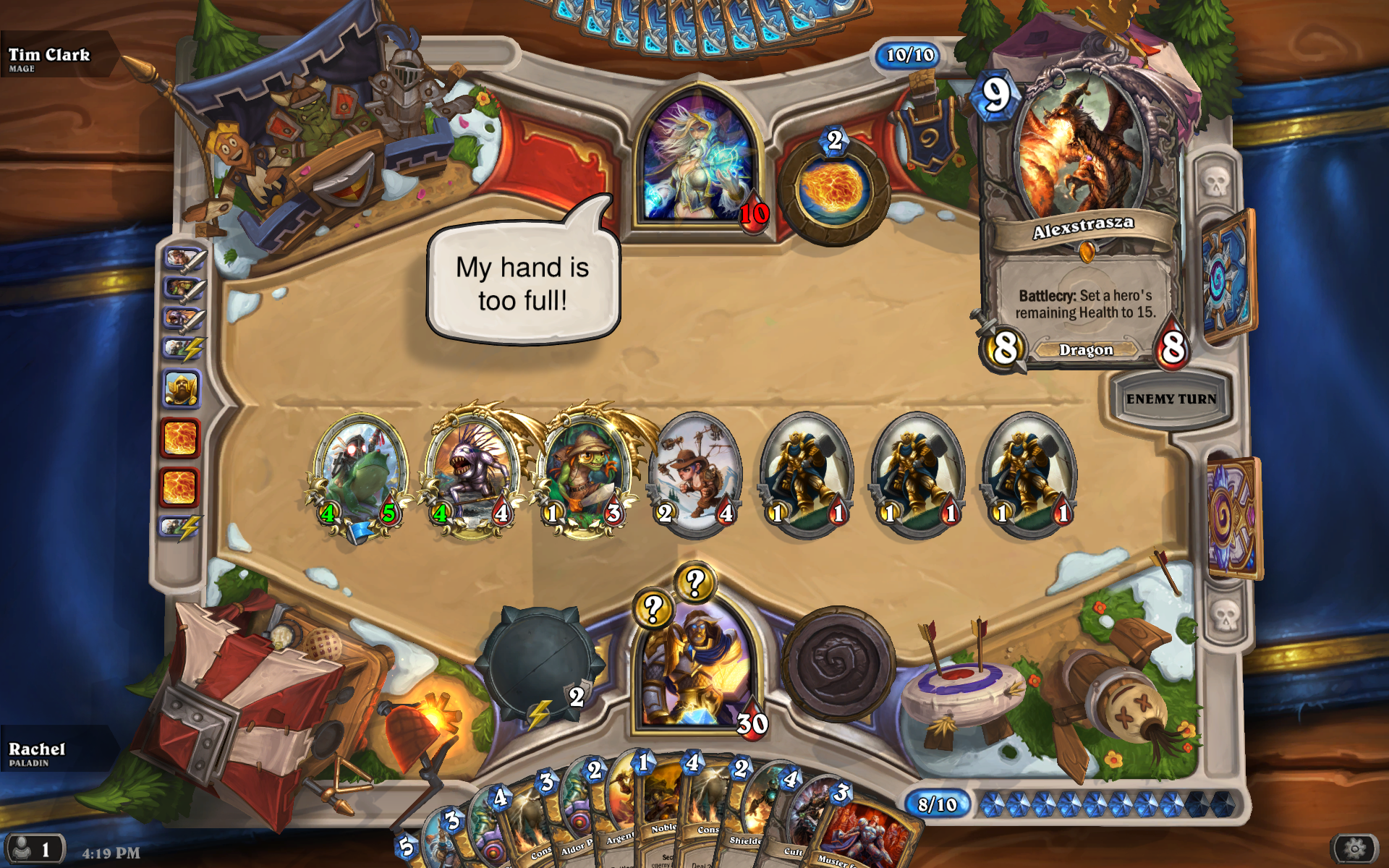
Beginners often find Hearthstone challenging because the game combines card knowledge, resource management, probability, and tactical decision-making. Learning these elements simultaneously can feel overwhelming, especially when facing experienced opponents. Educational gaming guides help simplify this process by introducing important concepts in a structured manner. New players benefit from understanding basic mechanics before attempting complicated deck combinations or advanced strategies. They can begin by learning how mana works, why card advantage matters, and how board positioning influences decisions. Once these fundamentals become familiar, more advanced topics such as matchup planning and resource optimization become easier to understand. The educational perspective connected with hearthstats home highlights the value of learning through both explanation and practical experience. Beginners should avoid comparing their early results with those of highly experienced competitors. Instead, focusing on gradual progress, thoughtful practice, and consistent learning can build confidence while making the overall gaming experience more enjoyable.
The Role of Technology in Modern Gaming Analytics
Technology has significantly changed how players study and improve their performance in digital games. Analytical software, match-recording applications, and interactive dashboards can organize information that would otherwise require considerable manual effort. In card games, these tools may help users maintain deck records, review historical results, or examine matchup patterns. Their usefulness depends on the accuracy of collected information and the availability of supported features. Modern analytical systems can present complex data through understandable summaries, allowing players to identify trends without performing every calculation manually. Nevertheless, technology should support strategic judgment rather than replace it. Automated information cannot always explain why a particular decision succeeded or failed. Human interpretation remains necessary to understand unusual match situations, changing strategies, and individual playing preferences. Combining reliable tools with thoughtful analysis creates a productive learning environment. As gaming technology continues to develop, the ability to interpret performance information will remain an important skill for competitive players.
Building Better Gaming Habits Through Regular Practice
Improving at Hearthstone requires consistent practice, but simply playing more matches does not guarantee better results. Productive practice involves identifying specific weaknesses and working deliberately to address them. For example, a player who frequently struggles with opening-hand decisions can concentrate on understanding which cards are most useful in different matchups. Someone who has difficulty managing resources can review situations where important cards were used too early. Setting clear objectives makes practice sessions more meaningful and easier to evaluate. Players should also recognize the importance of maintaining concentration and taking breaks when frustration begins affecting their decisions. Long sessions played without reflection may reinforce ineffective habits. A balanced routine that combines gameplay, review, and strategic learning is generally more useful than focusing exclusively on the number of matches completed. Over time, these habits encourage greater consistency, stronger decision-making, and a more enjoyable relationship with competitive gaming.
How Community Knowledge Contributes to Gaming Success
Gaming communities play an important role in helping players exchange ideas and develop new strategies. Discussions about deck construction, matchups, card interactions, and gameplay decisions introduce perspectives that individuals might overlook. Experienced players often explain why particular strategies work, while beginners contribute questions that encourage clearer explanations of complex mechanics. This exchange of knowledge creates opportunities for collaborative learning. However, players should evaluate community recommendations carefully because strategies that work in one competitive environment may not perform equally well in another. A deck praised by experienced competitors may require advanced decision-making or specific matchup knowledge to achieve similar results. Personal testing remains essential. Community discussions become especially valuable when combined with individual performance records and objective analysis. By comparing shared advice with actual gameplay experiences, players can determine which recommendations suit their needs. This combination of collaboration and independent evaluation supports more informed strategic development.
The Future of Hearthstone Performance Analysis
The future of competitive gaming analysis will likely involve increasingly sophisticated methods of interpreting player behavior and match results. Improved data visualization, automated pattern recognition, and personalized coaching systems could make strategic information easier to understand. These developments may help players identify recurring mistakes and discover practical opportunities for improvement. However, reliable data collection and transparent explanations will remain essential for trustworthy recommendations. The continuing interest in hearthstats home reflects a broader appreciation for the role statistics have played in Hearthstone’s competitive history. Although the original HearthStats tracking service belongs to an earlier period of gaming technology, the principles behind it continue to influence how players think about improvement. Future tools may offer more detailed insights, but success will still depend on understanding game mechanics, adapting to opponents, and making thoughtful decisions. Technology can reveal patterns and suggest improvements, while experience and strategic reasoning determine how effectively players use that information.
Conclusion
Hearthstone rewards players who combine creativity, strategic thinking, and a willingness to learn from experience. Performance analysis offers a practical way to understand results, evaluate decks, and recognize opportunities for improvement. The historical significance of hearthstats home lies in its connection to the broader idea of using gaming statistics to support better decisions. While the original tracking platform is no longer functioning as it once did, its analytical principles remain useful for beginners and experienced competitors alike. Recording matches, reviewing mistakes, understanding opponents, and refining deck strategies can all contribute to more consistent performance. Players should remember that statistics are most valuable when interpreted alongside practical gameplay knowledge. By developing thoughtful practice habits and maintaining a balanced approach to competition, Hearthstone enthusiasts can strengthen their skills, enjoy more meaningful matches, and continue improving throughout their gaming journey.