



Introduction
The gaming industry has experienced remarkable growth over the past decade, transforming from a simple entertainment activity into a global digital ecosystem. Modern players are increasingly interested in understanding game mechanics, improving their performance, and discovering emerging trends that influence their gaming experiences. With technological advancements and the growing popularity of competitive gaming, information about strategies, statistics, and gaming developments has become more valuable than ever. The concept of hearthstats interesting new reflects this increasing curiosity about gaming insights, performance analysis, and the latest developments in interactive entertainment. Players today want more than exciting gameplay; they also seek meaningful information that helps them understand how games evolve and how different strategies affect results. From casual gaming communities to competitive environments, digital tools and statistical analysis are shaping the way individuals approach their favorite games. Understanding these developments provides a broader perspective on the changing gaming landscape and the opportunities available to modern players.
Understanding the Growing Importance of Gaming Statistics
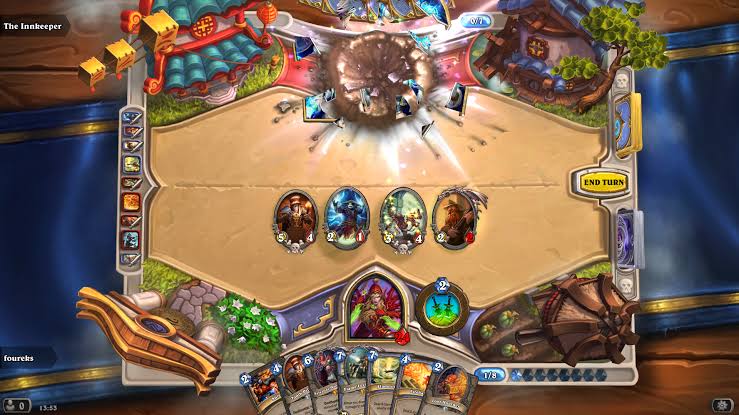
Gaming statistics have become an essential part of modern digital entertainment because they help players evaluate their performance and identify opportunities for improvement. In earlier gaming environments, individuals often depended on personal experience and observation to understand their strengths and weaknesses. Today, analytical tools make it possible to examine different aspects of gameplay, including winning percentages, strategy effectiveness, and overall performance patterns. These insights encourage players to make informed decisions rather than relying entirely on assumptions. Statistical information also creates opportunities for meaningful comparisons between different approaches, helping gaming enthusiasts understand why certain strategies succeed under particular circumstances. As competitive gaming becomes increasingly sophisticated, the ability to interpret performance data is becoming an important skill. Developers and gaming communities also benefit from statistical information because it provides valuable insights into player behavior, engagement, and preferences. This growing emphasis on analysis demonstrates how gaming continues to evolve into an environment where entertainment and strategic thinking work together.
How Hearthstats Interesting New Connects With Modern Gaming
The increasing demand for gaming information has encouraged players to explore resources that explain performance trends, strategic developments, and emerging technologies. The phrase hearthstats interesting new can be associated with this broader interest in discovering useful gaming insights and understanding how analytical approaches influence player decisions. Within strategy-based card gaming, statistical analysis is particularly valuable because every decision can affect the outcome of a match. Players frequently examine deck combinations, card interactions, and opponent behavior to develop stronger strategies. These activities require careful observation and an understanding of probability, making analytical thinking an important part of competitive gameplay. Gaming information becomes even more valuable when presented in a clear and accessible manner that helps both beginners and experienced players. As digital gaming environments continue to expand, the relationship between information, strategy, and entertainment is becoming increasingly significant. This connection highlights why players are interested in exploring gaming statistics and learning how data can support better decisions.
The Evolution of Strategy-Based Digital Card Games
Digital card games have developed significantly as technology has introduced new ways to combine traditional strategy with interactive entertainment. Unlike many action-oriented games, strategy-based card games require players to think carefully about resource management, timing, and possible outcomes. Each match presents different circumstances, encouraging individuals to adapt their decisions according to available cards and their opponents’ actions. Over time, these games have introduced increasingly complex mechanics, creating opportunities for deeper strategic analysis. Online communities have also contributed to their development by sharing deck-building ideas, discussing tactical approaches, and evaluating different combinations. This collaborative environment allows players to discover strategies they might not have considered independently. The popularity of digital card games demonstrates that engaging gameplay does not always depend on fast reactions or advanced graphics. Instead, thoughtful decision-making, creativity, and an understanding of game mechanics can provide equally rewarding experiences. As these games continue to evolve, analytical resources remain valuable for understanding their competitive environments.
Why Players Are Interested in New Gaming Insights
Modern gamers are naturally curious about information that can improve their understanding of competitive environments. They frequently explore updates, community discussions, and analytical observations to discover approaches that might enhance their gameplay. Interest in hearthstats interesting new reflects this broader desire to remain informed about gaming developments and strategic possibilities. One reason players seek new insights is that competitive environments rarely remain unchanged. Adjustments to game mechanics, balance changes, and evolving player preferences can influence the effectiveness of established strategies. A successful approach today may require modifications when the competitive environment changes. Players therefore benefit from regularly reviewing information and experimenting with alternative methods. New insights can also make gaming more enjoyable by introducing fresh challenges and encouraging creative thinking. Rather than repeating familiar strategies, players can explore different combinations and discover unexpected interactions. This continuous process of learning and experimentation contributes to the long-term appeal of strategy-based games and strengthens engagement within gaming communities.
The Role of Data Analysis in Improving Player Performance
Data analysis provides a structured approach to understanding gameplay and identifying patterns that might otherwise remain unnoticed. When players review their match histories, they can examine the circumstances surrounding victories and defeats. This process helps them recognize recurring mistakes, evaluate strategic decisions, and identify areas requiring additional practice. For example, a player might discover that certain deck combinations perform well against aggressive opponents but struggle against slower defensive strategies. Recognizing these patterns allows players to adjust their approach and prepare for different situations. However, statistical information should always be interpreted carefully because small samples may produce misleading conclusions. A strategy that performs successfully in a few matches is not necessarily reliable across a larger competitive environment. Effective analysis combines numerical information with practical experience and an understanding of game mechanics. By developing these skills, players can make more confident decisions while maintaining the creativity and adaptability that make strategic gaming enjoyable.
Exploring the Influence of Technology on Gaming Platforms
Technology continues to transform gaming platforms by improving accessibility, performance, and the availability of analytical information. Cloud-based services, powerful mobile devices, and advanced software systems have made digital entertainment accessible to a wider audience. Players can now participate in gaming communities, review performance information, and explore strategic discussions through multiple devices. These developments have also created opportunities for developers to introduce more sophisticated features that enhance the gaming experience. Artificial intelligence, for example, can support game testing, identify unusual gameplay patterns, and contribute to more responsive digital environments. Meanwhile, improved data-processing capabilities allow large amounts of gameplay information to be organized and interpreted efficiently. Although technology provides useful opportunities, its value depends on how effectively players understand and apply the information available. The future of gaming platforms will likely involve closer connections between entertainment, personalized experiences, and analytical tools, making technological awareness increasingly relevant for gaming enthusiasts.
Hearthstats Interesting New and the Value of Strategic Learning

Strategic learning is one of the most rewarding aspects of competitive gaming because it encourages players to develop problem-solving abilities and adapt to changing situations. Exploring hearthstats interesting new as a topic of gaming analysis highlights the importance of combining curiosity with practical experimentation. Players who actively review their decisions often gain a deeper understanding of game mechanics than those who focus exclusively on immediate results. Learning from unsuccessful matches is particularly valuable because defeats can reveal weaknesses that remain hidden during victories. By identifying these weaknesses, players can develop more balanced strategies and improve their decision-making processes. Strategic learning also encourages patience, especially in games where success depends on understanding probabilities and anticipating opponents’ actions. Over time, consistent practice and thoughtful analysis can contribute to meaningful improvements. The ability to evaluate information critically is equally important, as not every popular strategy will suit every player. Developing an individual approach based on experience and reliable observations creates a more sustainable path toward improvement.
How Gaming Communities Support Knowledge Sharing
Gaming communities play an important role in helping individuals exchange information, discuss strategies, and build connections with people who share similar interests. Online forums, discussion groups, and gaming platforms provide spaces where beginners can ask questions and experienced players can explain complex concepts. This collaborative environment makes strategic knowledge more accessible and encourages continuous learning. Community discussions can also reveal different perspectives on gameplay, demonstrating that a single situation may have several effective solutions. Players frequently share personal experiences, analyze challenging matches, and debate the advantages of particular strategies. These conversations contribute to a deeper understanding of competitive gaming and encourage individuals to question their assumptions. Beyond strategic development, gaming communities create a sense of belonging that strengthens the overall entertainment experience. Positive interactions, constructive feedback, and respectful competition help establish environments where participants feel comfortable exploring new ideas. As gaming audiences continue to expand, community-driven learning will remain an important influence on player engagement.
Understanding the Importance of Deck Building and Planning
Deck building is a central element of many strategy-based card games because it requires players to balance creativity, consistency, and tactical effectiveness. A successful deck generally depends on how well its individual components work together rather than simply containing powerful cards. Players must consider resource costs, card interactions, defensive capabilities, and possible responses to opposing strategies. Effective planning also involves understanding the competitive environment and recognizing which approaches are commonly encountered. While statistical information can help identify promising combinations, experimentation remains necessary because individual playstyles and decision-making habits influence results. Building a deck is therefore an ongoing process rather than a single decision. Players may need to replace certain cards, adjust resource distribution, or reconsider their overall strategy after observing performance across multiple matches. This continuous refinement encourages analytical thinking and creative problem-solving. It also demonstrates why preparation is important in competitive gaming, where thoughtful planning can create advantages before a match even begins.
The Growing Popularity of Competitive Gaming Analysis
Competitive gaming analysis has gained attention as players seek more detailed explanations of the factors influencing match outcomes. Interest in hearthstats interesting new also connects with the broader movement toward understanding gaming performance through measurable observations and strategic evaluation. Competitive players often study common tactics, examine different matchups, and compare the effectiveness of alternative approaches. This analytical mindset helps them prepare for challenging situations and develop more adaptable strategies. However, performance analysis is not limited to professional or highly experienced players. Casual gamers can also benefit from reviewing basic information and reflecting on their decisions. The goal is not necessarily to achieve perfect results but to develop a clearer understanding of gameplay and enjoy the learning process. Competitive analysis also supports more informed discussions within gaming communities, allowing participants to evaluate ideas using observations rather than assumptions alone. As gaming environments become more complex, accessible analytical information will continue to support player development.
Challenges Associated With Gaming Information and Statistics
Although gaming statistics offer valuable insights, interpreting them accurately can present several challenges. One common problem involves relying on incomplete information without considering the circumstances in which the data was collected. For example, a high winning percentage may appear impressive, but it becomes less meaningful when based on only a few matches. Differences in player experience, opponent skill, and game conditions can also influence statistical outcomes. Another challenge involves outdated information, particularly in games where updates regularly change card abilities or competitive balance. Strategies that previously performed well may become less effective after important adjustments. Players should therefore consider the relevance and reliability of the information they encounter. Excessive dependence on statistics can also reduce experimentation and creativity if individuals begin treating popular approaches as the only acceptable options. A balanced perspective recognizes that analytical information is a helpful guide rather than an absolute guarantee of success. Combining reliable observations with independent thinking creates a stronger foundation for improvement.
Future Opportunities for Gaming Innovation and Personalization
The future of gaming will likely involve continued improvements in personalized experiences, analytical capabilities, and community interaction. As developers explore advanced technologies, players may gain access to tools that explain performance patterns in more accessible ways. Artificial intelligence could help identify recurring gameplay mistakes, suggest areas for practice, and organize complex information into understandable recommendations. Improved interfaces may also make statistical analysis easier for beginners who have limited experience interpreting numerical data. At the same time, gaming communities are likely to remain important sources of creative ideas and strategic discussion. The growing interest surrounding hearthstats interesting new reflects how players increasingly value information that makes their gaming experiences more engaging and meaningful. Future innovations may create stronger connections between individual learning preferences and digital entertainment, allowing players to explore strategies at their own pace. Nevertheless, successful gaming experiences will continue to depend on human creativity, adaptability, and enjoyment rather than technology alone.
Conclusion
The modern gaming landscape demonstrates how entertainment, technology, and analytical thinking have become closely connected. Players are no longer limited to simply participating in matches; they can also explore performance information, study strategic developments, and exchange knowledge with gaming communities. Understanding the ideas associated with hearthstats interesting new provides an opportunity to appreciate the growing importance of statistics, thoughtful planning, and continuous learning in digital gaming. From deck-building strategies to emerging analytical technologies, each development contributes to a more engaging and informative gaming environment. While statistical tools can support better decisions, creativity, practical experience, and adaptability remain essential elements of success. Players who combine these qualities are better prepared to respond to changing competitive conditions and discover new opportunities for improvement. As digital entertainment continues to evolve, curiosity and a willingness to learn will remain valuable qualities for anyone interested in exploring the exciting possibilities of modern gaming.