



Introduction
The gaming industry has experienced remarkable growth over the past decade, transforming from a simple entertainment activity into a global community of passionate players, competitive professionals, and digital innovators. As online gaming continues to evolve, teamwork, communication, and strategic thinking have become essential elements of a successful gaming experience. Players increasingly seek platforms and communities that provide valuable information, practical guidance, and opportunities to connect with others who share their interests. The concept of our team hearthstats reflects the importance of collaboration, knowledge sharing, and community development within the modern gaming environment. A successful gaming community depends not only on individual skills but also on the collective efforts of people who contribute ideas, analyze performance, and encourage improvement. Understanding how dedicated teams support gaming communities helps explain why collaboration and innovation remain important factors in the future of digital entertainment.
Understanding the Importance of Gaming Team
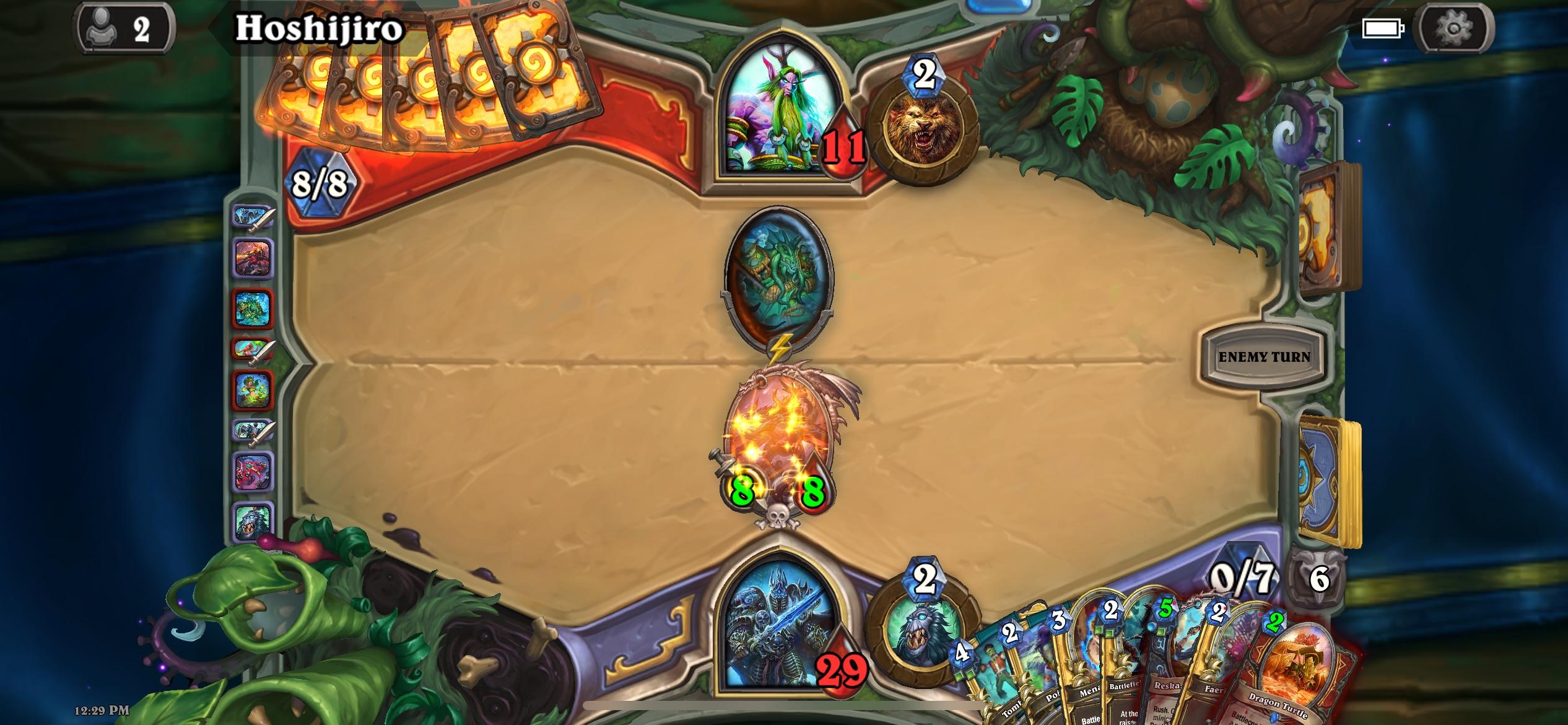
Gaming teams play an important role in creating organized, engaging, and competitive experiences for players. Whether participating in casual multiplayer games or professional esports tournaments, players benefit from working with individuals who understand their goals and strategies. Effective gaming teams encourage cooperation, provide constructive feedback, and help members improve their performance through shared experiences. Beyond competitive activities, teams also contribute to the development of gaming communities by discussing updates, exploring new strategies, and supporting beginners. Communication is particularly important because players must coordinate decisions and respond quickly to changing situations. A well-organized team creates an environment where members feel comfortable sharing ideas and learning from mistakes. As gaming becomes increasingly connected through digital platforms, teamwork continues to influence how players interact, develop skills, and build meaningful relationships. These collaborative experiences demonstrate that gaming is not simply about individual achievements but also about shared progress and collective success.
The Vision Behind Our Team Hearthstats
The idea behind our team hearthstats can be understood through the broader values of teamwork, strategic learning, and community participation. In gaming environments, a strong team vision provides direction and encourages members to work toward common objectives. Such a vision may involve helping players understand game mechanics, promoting fair competition, and creating opportunities for meaningful discussions. Teams that focus on continuous improvement often develop stronger relationships with their communities because they prioritize useful information and positive engagement. A clear vision also helps establish expectations regarding communication, responsibility, and collaborative problem-solving. Instead of focusing exclusively on winning competitions, successful gaming teams recognize the importance of knowledge sharing and personal development. Players benefit when communities encourage curiosity, experimentation, and respectful interaction. These principles create a foundation for long-term participation while helping gaming enthusiasts navigate increasingly complex digital experiences. A shared purpose ultimately transforms a collection of individual players into a supportive and productive community.
How Teamwork Improves Gaming Performance
Teamwork can significantly influence gaming performance, especially in competitive environments where coordination and quick decision-making are essential. Players who communicate effectively can share important information, identify opportunities, and respond to challenges more efficiently. For example, multiplayer strategy games often require participants to manage resources, coordinate movements, and adjust tactics based on their opponents’ actions. Without proper teamwork, even highly skilled individuals may struggle to achieve consistent results. Collaboration allows players to combine different strengths, creating balanced strategies that account for various situations. Team members can also review previous matches to identify mistakes and develop better approaches for future competitions. Constructive discussions encourage learning without creating unnecessary pressure. Over time, regular practice and effective communication can improve confidence, adaptability, and strategic awareness. These benefits extend beyond gaming because teamwork develops transferable skills such as leadership, patience, problem-solving, and responsibility, which are valuable in many professional and personal environments.
The Role of Strategy and Gaming Statistics
Modern gaming increasingly relies on performance analysis and statistical information to support better decision-making. Players often examine match results, rankings, win rates, and other performance indicators to understand their strengths and weaknesses. Within this context, our team hearthstats represents a useful theme for exploring how collaborative analysis can contribute to strategic improvement. Statistics provide measurable information that helps players evaluate different approaches rather than relying entirely on assumptions. For example, reviewing match outcomes may reveal whether a particular strategy performs consistently across different situations. However, statistical information becomes more valuable when combined with practical experience and thoughtful interpretation. Numbers alone cannot explain every decision, especially in games involving unpredictable opponents or rapidly changing conditions. Teams that discuss statistical findings collectively can develop more balanced conclusions and avoid common analytical mistakes. This combination of data, communication, and experimentation supports informed decisions and encourages players to approach competitive challenges with greater confidence.
Creating a Supportive Gaming Community
A supportive gaming community provides an environment where individuals can exchange knowledge, discuss experiences, and develop lasting connections. Positive interactions are especially important because online gaming brings together people with different backgrounds, skill levels, and expectations. Communities that encourage respectful communication help beginners feel welcome while giving experienced players opportunities to share their expertise. Effective moderation, clear guidelines, and constructive discussions contribute to healthier digital spaces. Community members may participate in strategy conversations, discuss gameplay improvements, or help others understand challenging mechanics. These activities strengthen relationships and encourage regular participation. A successful gaming community also recognizes that competition and cooperation can exist together. Players can pursue ambitious goals while respecting opponents and supporting teammates. By promoting fairness, patience, and inclusion, gaming communities become more enjoyable and accessible. Such environments help transform gaming from an isolated activity into a shared experience built around learning, entertainment, and mutual appreciation.
The Importance of Communication and Collaboration
Communication forms the foundation of effective collaboration in both competitive gaming and community management. Team members must exchange information clearly, listen to different perspectives, and respond appropriately when disagreements occur. Poor communication can create confusion, reduce efficiency, and negatively affect group morale. In contrast, open discussions encourage trust and help individuals understand their responsibilities. The concept of our team hearthstats highlights how communication can connect strategic thinking with community participation. Gaming teams frequently rely on voice conversations, messaging platforms, and organized discussions to coordinate activities. These communication methods make it easier to share updates, evaluate strategies, and provide immediate feedback. However, successful collaboration requires more than access to digital tools. Members must demonstrate patience, accountability, and willingness to consider alternative viewpoints. Establishing clear expectations helps teams avoid unnecessary misunderstandings while maintaining productive relationships. When communication becomes a shared priority, teams can respond to challenges more effectively and maintain a positive environment for everyone involved.
Innovation and Technology in Modern Gaming
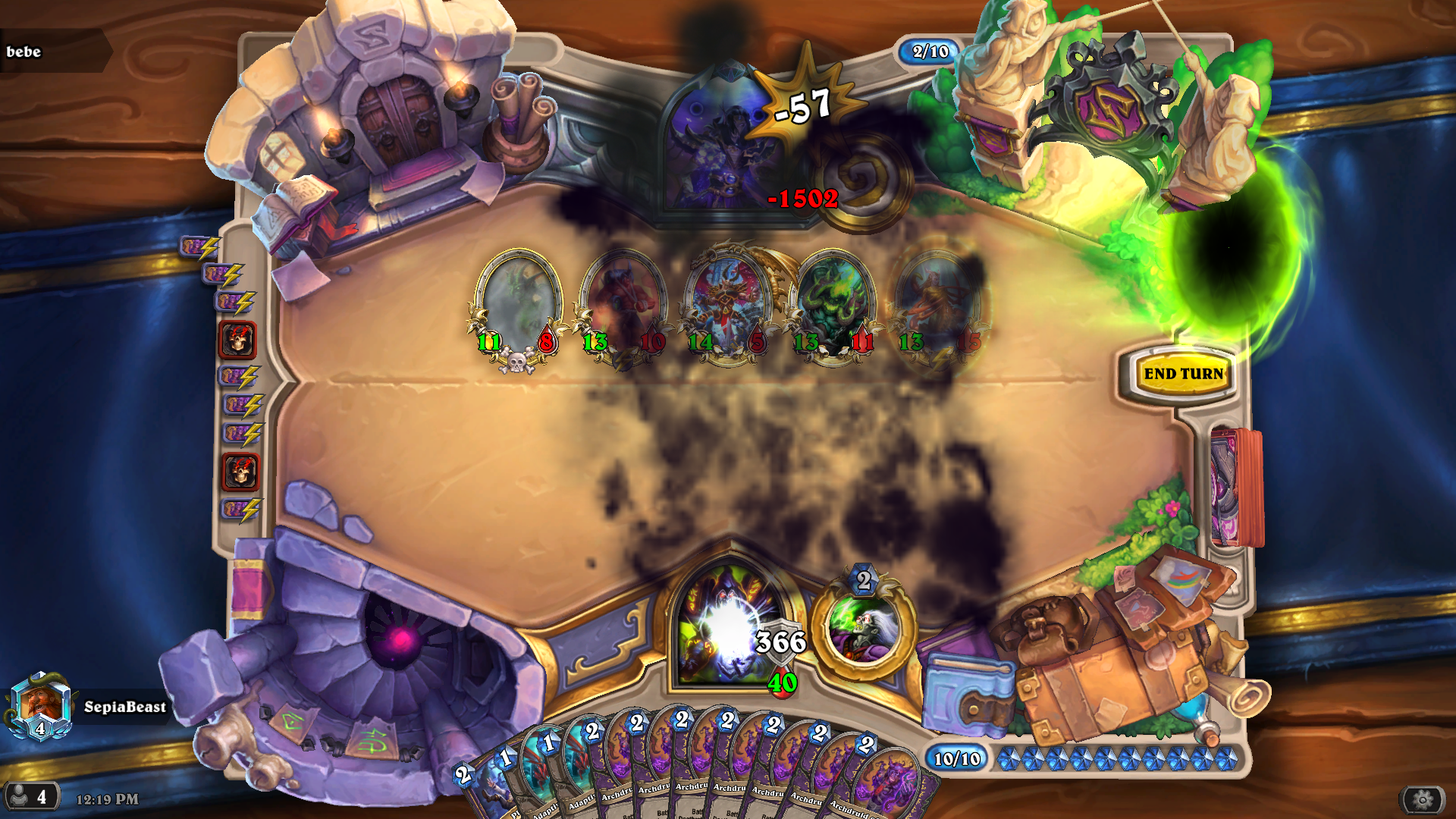
Technological innovation continues to transform how games are developed, played, and analyzed. Advances in artificial intelligence, cloud computing, graphics processing, and online connectivity have expanded the possibilities of interactive entertainment. Modern players can access sophisticated gaming experiences across computers, consoles, and mobile devices. Cloud-based services have also made certain gaming experiences accessible without requiring the same level of local hardware investment. Meanwhile, analytical tools help players study performance patterns and identify areas for improvement. Gaming communities benefit from these developments because technology makes communication, content sharing, and collaborative learning more convenient. Artificial intelligence may support personalized training systems, automated analysis, and improved game development processes. However, technological progress also introduces challenges involving privacy, accessibility, and responsible digital participation. Understanding both the opportunities and limitations of emerging technologies helps gaming enthusiasts make informed choices. Communities that remain adaptable can explore new tools while preserving the human relationships that make gaming meaningful.
Encouraging Learning and Skill Development
Continuous learning is essential for players who want to improve their gaming abilities and remain competitive in changing environments. New game updates, evolving strategies, and different opponents frequently require players to reconsider familiar approaches. Structured practice helps individuals strengthen decision-making, reaction time, and strategic understanding. Learning becomes more effective when players receive constructive feedback and have opportunities to experiment without unnecessary criticism. Gaming teams can encourage development by discussing successful techniques, reviewing mistakes, and setting realistic improvement goals. Beginners may benefit from understanding fundamental mechanics, while experienced players often focus on advanced tactics and performance consistency. Educational discussions also help community members distinguish reliable information from unsupported claims. Rather than copying every popular strategy, players should evaluate whether particular approaches match their goals and preferred playing styles. A learning-oriented environment promotes curiosity and resilience, helping individuals appreciate progress even when immediate results do not meet expectations.
Leadership and Responsibility Within Gaming Teams
Leadership plays an important role in maintaining organization, motivation, and cooperation within gaming teams. Effective leaders help establish clear objectives, encourage participation, and ensure that members understand their responsibilities. Leadership does not necessarily involve controlling every decision. Instead, successful leaders often create opportunities for others to contribute ideas and demonstrate their abilities. Within the broader theme of our team hearthstats, responsible leadership can be associated with promoting collaboration, strategic awareness, and positive community values. Leaders must also recognize the importance of managing disagreements fairly and addressing challenges before they damage relationships. Encouraging constructive feedback helps members feel respected and involved in group decisions. Responsibility extends to individual players, who should communicate honestly, fulfill commitments, and support collective goals. When leadership and accountability work together, teams become more adaptable and organized. These qualities contribute to long-term stability while helping communities maintain productive relationships during both successful and difficult periods.
Challenges Faced by Modern Gaming Communities
Despite the many benefits of online gaming communities, several challenges can affect participation and overall experiences. Toxic behavior, misinformation, communication difficulties, and unrealistic competitive expectations may discourage players from remaining active. Rapid technological changes can also create accessibility concerns for individuals who lack advanced equipment or reliable internet connections. Another challenge involves balancing gaming activities with education, employment, physical health, and personal relationships. Communities that ignore these issues may struggle to maintain healthy participation over time. Addressing challenges requires clear guidelines, responsible moderation, and ongoing discussions about respectful behavior. Encouraging realistic goals can help players avoid excessive pressure and maintain enjoyment. Teams should also recognize that members have different abilities, schedules, and motivations. Creating flexible opportunities for participation supports a more inclusive environment. By acknowledging these challenges and responding thoughtfully, gaming communities can improve their resilience while maintaining the excitement and creativity that attract players.
The Future of Team-Based Gaming Communities
The future of gaming communities will likely involve greater connectivity, more sophisticated analytical tools, and increasingly personalized digital experiences. As technology develops, players may gain access to improved training systems, interactive educational resources, and new methods of collaborating across geographical boundaries. The broader idea of our team hearthstats fits into this evolving landscape by emphasizing teamwork, learning, and strategic participation. Gaming communities that adapt to technological developments while maintaining respectful relationships may be better positioned for long-term growth. Artificial intelligence and data analysis could provide additional insights into player performance, although human judgment will remain important for interpreting results and making strategic decisions. Cross-platform gaming may also create more opportunities for individuals using different devices to participate together. As digital entertainment becomes more interconnected, communities will need to balance innovation with accessibility, fairness, and responsible participation. Their success will depend on how effectively they combine emerging technology with meaningful human collaboration.
Conclusion
Gaming communities continue to influence how people learn, communicate, and experience digital entertainment. Strong teamwork, effective leadership, strategic analysis, and supportive interactions all contribute to healthier and more engaging gaming environments. The concept of our team hearthstats illustrates the broader importance of collaboration and shared knowledge in helping players develop their abilities and connect with others. While technology provides valuable tools for improving performance and communication, successful communities ultimately depend on the people who participate in them. Respect, accountability, creativity, and continuous learning remain essential qualities for long-term development. As the gaming industry evolves, teams that encourage constructive discussions and responsible participation can help create more inclusive and rewarding experiences. By combining strategic thinking with positive community values, gaming enthusiasts can build meaningful connections while exploring the opportunities offered by modern digital entertainment.