



Introduction
Teamwork is an important part of creating successful digital experiences. Whether people are sharing information, learning new skills, exploring gaming resources, or discussing useful updates, working together can make the process more productive. In the digital world, communities and online platforms provide opportunities for individuals to connect, exchange ideas, and learn from one another. The concept behind our team Hearthstats reflects the importance of collaboration, shared knowledge, and continuous improvement. A strong team is not simply a group of people working toward the same objective; it is a collection of individuals who contribute different abilities, experiences, and perspectives. When these contributions come together, they can create an environment where learning becomes easier and goals become more achievable.
Understanding the Concept of Our Team Hearthstats
The idea of a team represents cooperation between individuals who share common interests or objectives. Every member can bring something different to a group, including practical knowledge, creative thinking, technical abilities, and problem-solving skills. These differences can become valuable strengths when members communicate effectively and respect each other’s contributions.
Our team Hearthstats can be understood as a concept centered on bringing people together through information, gaming interests, and collaborative learning. In an online environment, teamwork can help individuals discover useful resources, understand unfamiliar topics, and exchange experiences. Instead of depending entirely on one person’s knowledge, members can benefit from different viewpoints. This makes collaboration especially valuable in communities where information and digital interests continue to develop.
Why Teamwork Matters in the Digital World
Digital technology has changed the way people communicate and work together. In the past, collaboration often depended on physical meetings and direct conversations. Today, online communities, messaging platforms, discussion spaces, and digital resources allow people to exchange information from different locations.
Teamwork makes these interactions more meaningful because it encourages people to participate rather than simply consume information. Members can ask questions, provide explanations, share suggestions, and help others overcome challenges. This approach creates opportunities for continuous learning.
A collaborative environment can also improve productivity. When responsibilities are distributed according to individual strengths, tasks become easier to organize. People can concentrate on areas where they have experience while learning from members with different abilities. As a result, teamwork supports better communication, stronger relationships, and more organized progress.
The Role of Communication in Team Development
Communication is one of the most important elements of a successful team. Even talented individuals can struggle to achieve shared objectives when information is unclear or expectations are misunderstood. Open communication helps members understand responsibilities, discuss challenges, and work toward common goals.
A healthy team environment encourages everyone to express ideas without feeling uncomfortable. Members should be able to ask questions, suggest improvements, and discuss problems respectfully. Listening is equally important because good communication involves understanding other people’s perspectives rather than simply sharing personal opinions.
In a community built around our team Hearthstats, communication can also help members exchange gaming knowledge, discuss useful information, and understand different experiences. Regular interaction makes it easier to build trust and maintain a welcoming environment. When people feel that their contributions matter, they are more likely to participate and support others.
How Shared Knowledge Creates Better Opportunities
Knowledge becomes more valuable when people share it with others. Every individual develops experience through learning, practice, and personal challenges. When these experiences are exchanged within a team, other members can benefit without repeating the same mistakes.
For example, one member may understand how to use a particular digital tool, while another may have experience with troubleshooting or organizing information. Sharing these abilities can help the entire group become more capable. This type of knowledge exchange also encourages curiosity because people are exposed to subjects they might not have explored independently.
Shared learning is particularly useful in gaming communities. Players can discuss strategies, settings, performance improvements, and general gaming experiences. Beginners can learn from experienced participants, while advanced users can discover alternative approaches. In this way, collaboration creates a learning environment where everyone has something valuable to contribute.
Building a Strong and Supportive Team Environment
A strong team requires more than shared interests. It also needs an environment where members feel respected, included, and motivated. People are more likely to contribute when they know their ideas will receive attention and their questions will be treated seriously.
Respect is essential because every member has a different level of experience. Some people may understand advanced technical subjects, while others may still be learning basic concepts. A supportive team recognizes these differences and avoids making anyone feel excluded.
A positive environment also encourages constructive feedback. Instead of criticizing mistakes without offering solutions, members can explain what went wrong and suggest practical improvements. This approach helps individuals develop confidence and strengthens relationships within the group. Over time, these habits can turn a collection of participants into a more connected community.
The Importance of Gaming Communities and Collaboration
Gaming communities have become important spaces for entertainment, learning, and social interaction. Players regularly exchange information about game mechanics, updates, performance settings, equipment, and different playing styles. These discussions can make gaming more enjoyable while helping participants understand their favorite activities.
Collaboration is particularly valuable when a game requires strategy and coordination. Team members must understand their responsibilities, communicate clearly, and respond to changing situations. Even in games that focus on individual performance, communities can provide useful advice and encouragement.
Our team Hearthstats connects naturally with this broader idea of gaming-related collaboration. A community built around shared gaming interests can help people explore information, discuss experiences, and improve their understanding of digital entertainment. The most useful communities are those that combine practical knowledge with friendly interaction.
Learning New Skills Through Team Participation
Joining a team can provide opportunities to develop skills that are useful beyond a particular activity. Communication, problem-solving, decision-making, and adaptability are valuable abilities in education, professional environments, and everyday life.
Working with different people teaches individuals how to understand multiple perspectives. It also encourages patience because not everyone approaches a problem in the same way. Some members may prefer detailed planning, while others may focus on experimenting with new ideas.
Team participation can also improve digital literacy. Members may become more comfortable using online platforms, managing information, understanding software features, and communicating through digital tools. These experiences can support personal development and create confidence when dealing with unfamiliar technology.
Technology and the Future of Team Collaboration
Technology continues to introduce new ways for people to work together. Cloud-based tools, online communities, collaborative applications, and communication platforms make it easier to exchange information and coordinate activities. These developments have reduced many of the limitations associated with distance and time.
Artificial intelligence is also influencing collaboration by helping people organize information, discover relevant resources, and complete certain tasks more efficiently. However, technology should support human interaction rather than completely replace it. Creativity, empathy, judgment, and meaningful communication remain important parts of successful teamwork.
In the future, digital communities may become more interactive and accessible. Improved communication features and personalized learning resources could help members find information more easily. For our team Hearthstats, the broader opportunity lies in combining useful digital resources with an environment that encourages participation, knowledge sharing, and continuous development.
Challenges That Teams May Face
Although teamwork offers many advantages, it can also create challenges. Differences in opinions, communication gaps, unclear responsibilities, and unequal participation can affect group performance. These problems are common when individuals have different expectations or working styles.
One way to manage these difficulties is to establish clear objectives. Members should understand what the team is trying to achieve and how they can contribute. Assigning responsibilities according to individual strengths can also reduce confusion and improve organization.
Another important factor is patience. Disagreements should be handled through respectful discussions rather than personal criticism. Teams should remain open to feedback and recognize that mistakes can provide opportunities for improvement.
Maintaining participation can also be difficult in online communities. Regular discussions, useful information, and welcoming interactions can encourage members to remain involved. A successful team does not need everyone to have identical opinions; it needs people who are willing to cooperate despite their differences.
Ways to Make a Team More Productive
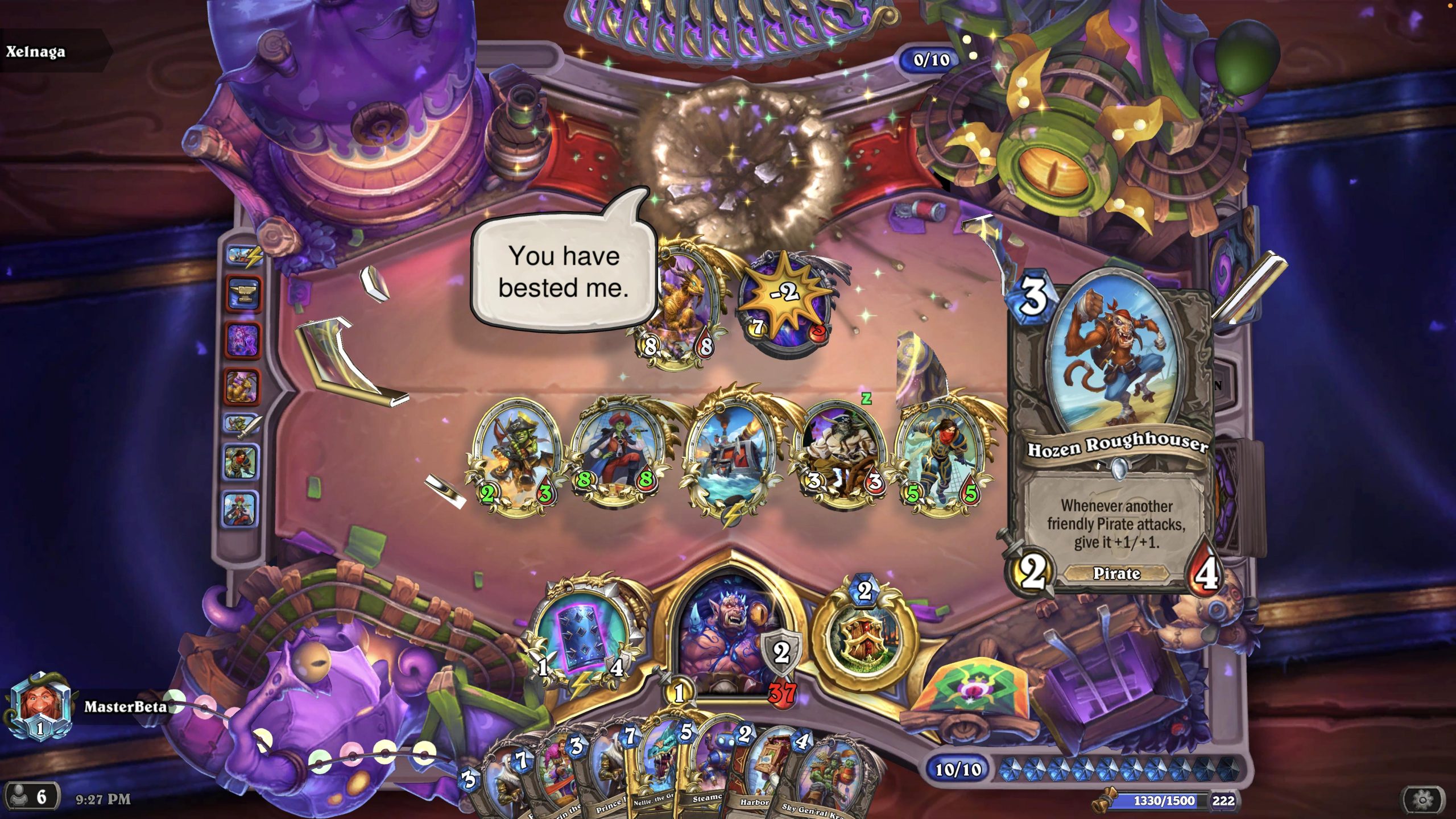
Productivity improves when members have clear goals and understand how their contributions support the overall objective. Teams can develop better working habits by focusing on communication, organization, and consistent participation.
Some practical approaches include:
-
Set clear objectives: Establish realistic goals that everyone can understand.
-
Encourage participation: Give members opportunities to share ideas and experiences.
-
Share useful information: Make relevant knowledge accessible to the entire group.
-
Respect different opinions: Consider alternative suggestions before making decisions.
-
Provide constructive feedback: Focus on solutions and improvements rather than blame.
These practices can help create a balanced environment where individuals feel motivated to contribute. Consistency is particularly important because strong teamwork develops through regular communication and shared effort rather than occasional interaction.
Why Community Participation Matters
An active community depends on the involvement of its members. Even a well-organized platform becomes less useful when people do not participate, ask questions, or share information. Community participation creates opportunities for meaningful discussions and helps information reach individuals who need it.
Members can contribute in different ways. Some may create informative discussions, while others answer questions or share personal experiences. Even a simple suggestion can help someone understand a difficult topic.
Participation also encourages a sense of belonging. People often remain connected to communities where they feel welcomed and appreciated. This makes positive interactions important for long-term growth.
The philosophy of our team Hearthstats highlights how shared interests can bring individuals together. When people contribute knowledge and support one another, a digital community can become more than an information-sharing space. It can develop into an environment that encourages learning, creativity, and meaningful connections.
The Value of Continuous Improvement
Successful teams understand that development is an ongoing process. Technology changes, new interests emerge, and members gain experience over time. A team that remains open to learning can adapt more effectively to these developments.
Continuous improvement involves reviewing existing practices, identifying weaknesses, and exploring better solutions. Members should not assume that one approach will always produce the best results. Instead, they can experiment with new ideas and learn from the outcomes.
This mindset is useful in gaming, digital communication, and collaborative projects. It encourages individuals to remain curious and take responsibility for their development. When improvement becomes a shared objective, every member has an opportunity to contribute to the team’s progress.
Conclusion
Teamwork is an important foundation for building stronger communities, sharing knowledge, and creating better digital experiences. Effective communication, mutual respect, active participation, and continuous learning help individuals work together toward common objectives. Whether people are interested in gaming, technology, or online discussions, collaboration can make their experiences more useful and enjoyable.
Our team Hearthstats represents the broader value of bringing people together through shared interests and information. A successful team recognizes individual strengths while encouraging everyone to learn from one another. By creating a supportive environment, sharing practical knowledge, and adapting to technological changes, communities can continue to grow. Ultimately, the strength of any team comes from the willingness of its members to cooperate, contribute, and improve together.